
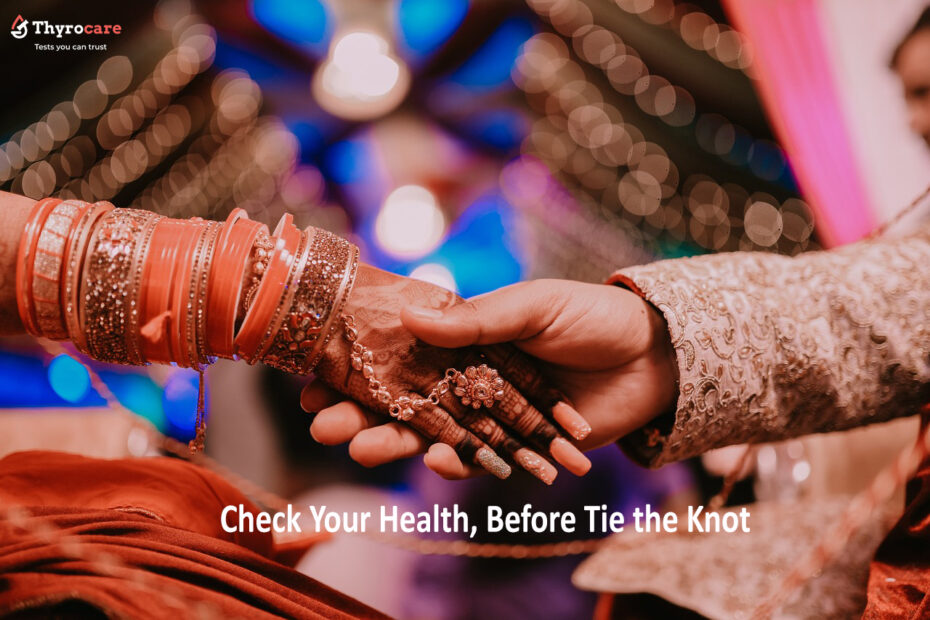
Marriage is a wonderful step in life that brings together two individuals and their hopes for a shared future. While emotional compatibility is vital for a strong relationship, health awareness should not be ignored. A premarital health checkup helps both partners understand their health status, take timely preventive or corrective measures, and plan their future together. Before tying the knot, matching the health Kundali can be a practical and responsible step.
What Is a Premarital Health Checkup?
A premarital health checkup or screening is a group of blood tests performed before marriage to assess selected infectious diseases, inherited blood conditions, blood group and Rh type, anemia, thyroid function, diabetes risk, and other health markers depending on the package. The findings can help couples seek medical advice, treatment, vaccination, genetic counselling, or further testing where required.
These tests are screening tools and do not replace clinical diagnosis. Any abnormal findings should be interpreted by a qualified physician.
What Does Premarital Screening Include?

A typical pre-marital health screening package might include the following tests:
- Infectious and Viral Diseases: Premarital screening commonly includes tests for HIV, syphilis, hepatitis B, and hepatitis C. The test names include HIV I & II, VDRL, HBsAg, and Anti-HCV.
- Inherited Blood Conditions: Hemoglobin variant analysis screens for conditions such as thalassemia and sickle cell traits. Common parameters include hemoglobin A2, C, D, F, and S. The profile is also known as beta-thalassemia screening, hemoglobin variant analysis, and Hb HPLC.
- Iron Studies and Ferritin: The tests in this profile include Ferritin, Transferrin Saturation Percentage, Total Iron Binding Capacity (TIBC), Unsaturated Iron Binding Capacity (UIBC), and Serum Iron.
- Blood Grouping and Rh Typing: Knowing both partners’ blood groups and Rh types can be useful for future pregnancy planning. If an Rh-negative woman carries an Rh-positive baby that has inherited the Rh factor from the father, her immune system can produce antibodies against the baby’s red blood cells. This risk can be identified and managed through appropriate antenatal care.
- Vitamin B12 Screening: Vitamin B12 testing helps identify a deficiency that can contribute to anemia, weakness, or neurological symptoms.
- Thyroid and Diabetes Screening: This panel covers two tests, namely Thyroid Stimulating Hormone (TSH) and Hemoglobin A1c (HbA1c).
- General Health, Anemia, and Infection: Screens for hemoglobin, WBC, RBC, MCV, Monocytes, Lymphocytes, Mentzer Index, Platelet count, Blood Cell Distribution Width, and many other parameters. This panel is known as the Complete Hemogram Profile or Complete Blood Count (CBC).
Some premarital screening packages also include reproductive hormone tests. However, reproductive hormone tests are not included in every premarital profile and need to be added separately for males and females.
Separate options include hormone tests for females and a male reproductive hormone test panel.
What Is the Purpose of These Tests?
A premarital health checkup primarily helps the bride and bridegroom understand potential health risks before marriage. The findings can support safer sexual health, pregnancy planning, genetic counselling, and timely treatment where required. The significance of the main test groups is explained below:
- Infectious diseases like HIV, syphilis, and Hepatitis B and C can be transmitted from one partner to another partner, as well as to their children.
- Certain inherited blood disorders, such as thalassemia and sickle cell disease, can increase health risks for children if both partners are carriers. Genetic counselling is advised where screening indicates carrier status.
- If the woman is Rh-negative and the future baby is Rh-positive, there can be a risk of Rh incompatibility during pregnancy. Knowing the parents’ Rh types helps the obstetrician plan appropriate monitoring and preventive care.
- Iron deficiency and anemia cause tiredness, weakness, and reduced physical capacity. For women planning pregnancy, entering pregnancy with anemia or low iron stores can also increase maternal and pregnancy risks.
- Vitamin B12 deficiency can contribute to anemia and neurological symptoms and needs correction before pregnancy planning.
- Thyroid disorders and uncontrolled diabetes can influence fertility and pregnancy outcomes. Early identification supports better medical management.
Why Pre-Marital Health Checkups Matter
- Building a Healthy Foundation: Health awareness is an important part of preparing for married life. Understanding crucial health issues can help couples seek timely medical advice, treatment, or preventive care.
- Understanding Inherited Health Risks: Conditions such as thalassemia and sickle cell disease can be passed to children when both partners carry the relevant gene variant. Screening and appropriate genetic counselling can help couples understand these risks.
- Promoting Awareness of Infectious Diseases: Infections such as HIV, hepatitis B, hepatitis C, syphilis, and other STIs or STDs can affect both partners and, in some cases, future pregnancy. Timely viral marker screening and VDRL testing can support appropriate treatment, precautions, and medical advice.
- Supporting Reproductive Health Management: Reproductive health is a primary concern of a marriage. Clinical evaluation and correlation of the tests in a pre-wedding health checkup package give insights into the reproductive health of the to-be-wedded. The clinical information can help with proper measures, controls, and treatment.
- Encouraging Open Communication: Premarital health screening can encourage honest discussion between partners about health, family history, treatment, and future planning. It should be approached as an act of mutual care rather than a test of trust.
Are Premarital Tests the Same for Males and Females?
The blood tests for infectious diseases, inherited blood conditions, ABO blood group and Rh type, hemogram, iron status, thyroid, and diabetes are relevant to both partners. Reproductive hormone and fertility-related tests differ between males and females and are not automatically included in every premarital health checkup.
Separate options include hormone tests for females and a male reproductive hormone test panel.
Is Premarital Screening the Same as Fertility Testing?
No. A premarital health checkup screens for common infectious, inherited, metabolic, and general health conditions. It does not confirm whether either partner is fertile. Fertility assessment requires separate investigations such as semen analysis, AMH, ovulation assessment, ultrasound, or reproductive hormone testing, depending on the individual and the doctor’s advice.
Benefits Beyond Marriage
A pre-marital health checkup has several benefits beyond the wedding, including:
- Awareness about Preventive Health Checkups: A premarital screening can be the first preventive health checkup for many young adults. It can encourage regular monitoring and earlier attention to lifestyle-related or previously unnoticed health concerns.
- Build Confidence: When a premarital health checkup report shows that all results are within expected limits, it can strengthen confidence in both partners’ health.
Embracing the Practice
In India, people still consider it taboo to discuss health issues before marriage. However, such discussions are crucial for a happy and healthy married life. Individuals, governments, community leaders, and healthcare providers can help build healthier families by promoting the importance of premarital health screening.
Final Thought about the Premarital Health Screening
A pre-marital health checkup is not only about identifying potential health risks; it is a crucial proactive step towards a fulfilling and harmonious married life. By taking responsibility for their health and well-being, couples can ensure that their journey together begins with a strong and informed foundation. After all, love thrives when nurtured with care, trust, and mutual understanding—and good health is the perfect starting point.
For the exact test list, current price, sample report, and other details, see the Jaanch Premarital Health Checkup Package by Thyrocare.
Written by: Hema Mehta Sahoo
Medically reviewed by: Dr. M A Khan, MBBS, MD Pathology
Last updated: July 12, 2026
References
- https://www.researchgate.net/profile/Pratik-More-3/publication/355022381_A_Review_of_Importance_of_Premarital_Checkup_and_Counselling_among_Young_Adults/links/615822d9a6fae644fbbf61a3/A-Review-of-Importance-of-Premarital-Checkup-and-Counselling-among-Young-Adults.pdf
- https://pmc.ncbi.nlm.nih.gov/articles/PMC3464742/
- https://journals.sagepub.com/doi/full/10.1177/23779608221078156
FAQs on Premarital Health Checkups
Is a premarital health checkup mandatory?
While not mandatory in India, it is highly recommended as a responsible step before marriage. In some other countries, it might even be legally required.
Do males and females need different premarital tests?
The core infectious disease, inherited blood condition, blood group, hemogram, thyroid, and diabetes tests are common to both partners. Hormone and fertility-related investigations can differ for males and females.
Does undergoing a health checkup mean there’s a lack of trust between partners?
Not at all. A premarital health checkup fosters openness and ensures both partners are making informed decisions about their future. It reflects mutual care and responsibility.
Are the results of a premarital health checkup confidential?
Yes, all professional healthcare providers strictly follow confidentiality protocols. They only share the reports with the people tested unless otherwise ordered by a court of law.
What should couples do if a health issue is identified during the checkup?
If an issue is detected in a premarital health checkup, the to-be-wedded partners should consult a relevant healthcare advisor. This proactive approach can help them make proper decisions, preventive actions, and curative measures.
Is a premarital health checkup expensive?
No, a premarital health checkup is not expensive; it’s affordable. Although the cost varies depending on the lab and location, you can get it for less than ₹2,000 in India. Major healthcare providers offer the panel at as low as ₹1,950. The prices at a few other labs might go up to ₹3,000.
Where can I get a Premarital Health Screening?
Premarital health screening panels are available through accredited diagnostic laboratories and healthcare platforms across India.
Disclaimer: This article is for informational purposes only and does not constitute medical advice. Clinical decisions should be made in consultation with a licensed healthcare professional.