


A Paleo Profile is a comprehensive health checkup package with blood and urine tests designed to monitor how a Paleolithic (Paleo) diet impacts your body. Because the diet is high in protein and fat and excludes grains and dairy, these panels monitor lipid levels, glucose control, kidney and liver function, vitamins, minerals, and other important health markers. Depending on the package size, a Paleo Profile covers 95 to 110 parameters.
| Comparison | Basic Paleo Profile | Advanced Paleo Profile |
|---|---|---|
| Parameter count | 95 to 100 parameters | Up to 110 parameters |
| Sample types | Blood and urine | Blood and urine |
| Test coverage | Lipid Profile, LFT, KFT, Iron Studies, Diabetes tests, CBC, Urine Analysis, TSH, Vitamins B12 and D, Magnesium, and Calcium | More extensive metabolic and cardiac risk markers including hs-CRP, Lipoprotein(a), Apo A1/B, Fructosamine, Blood Ketone, Amylase, and Lipase |
| Suitable stage | Baseline testing before starting a Paleo diet | Comprehensive testing before starting or while following a Paleo diet |
What is a Paleo Profile in Preventive Screening?
A Paleo Profile is a multi-profile lab package that combines blood and urine tests to review common risk areas such as heart health, kidney and liver function, diabetes control, vitamin and mineral levels, pancreatic enzymes, complete hemogram, and routine urine analysis. Many labs offer at least two tiers of Paleo Profiles:
- Basic Paleo Profile: core screening panels covering 95 to 100 parameters.
- Advanced Paleo Profile: an extensive range of blood and urine tests covering metabolic health, cardiac risk, vitamins, minerals, pancreatic enzymes, and routine preventive screening.
Why Choose a Paleo Profile of Lab Tests?
A Paleo Profile covers more tests than a routine preventive health checkup package. It is suggested before starting a Paleo diet and repeated during the diet to see how it impacts your health and whether the diet plan requires adjustment.
- Symptom-led evaluation: when a dietitian or medical professional wants reports covering liver, kidney, lipid, glucose, anemia, and inflammation-related tests.
- Metabolic risk screening in people with obesity, family history of diabetes or heart disease, or persistently abnormal routine health checkup results.
Preparation and Sample Collection
Preparation Required for Paleo Profile Tests
- Fasting: Many panels in these packages require 10–12 hours of fasting. You can only take plain water during the fasting period.
- Timing: A morning sample (before breakfast) is preferred to make fasting easier.
- Medications: Tell your doctor and the phlebotomist about ongoing medicines and supplements. Some medicines can influence specific test results. Do not stop medication unless your doctor advises it.
Procedure: How Samples Are Collected
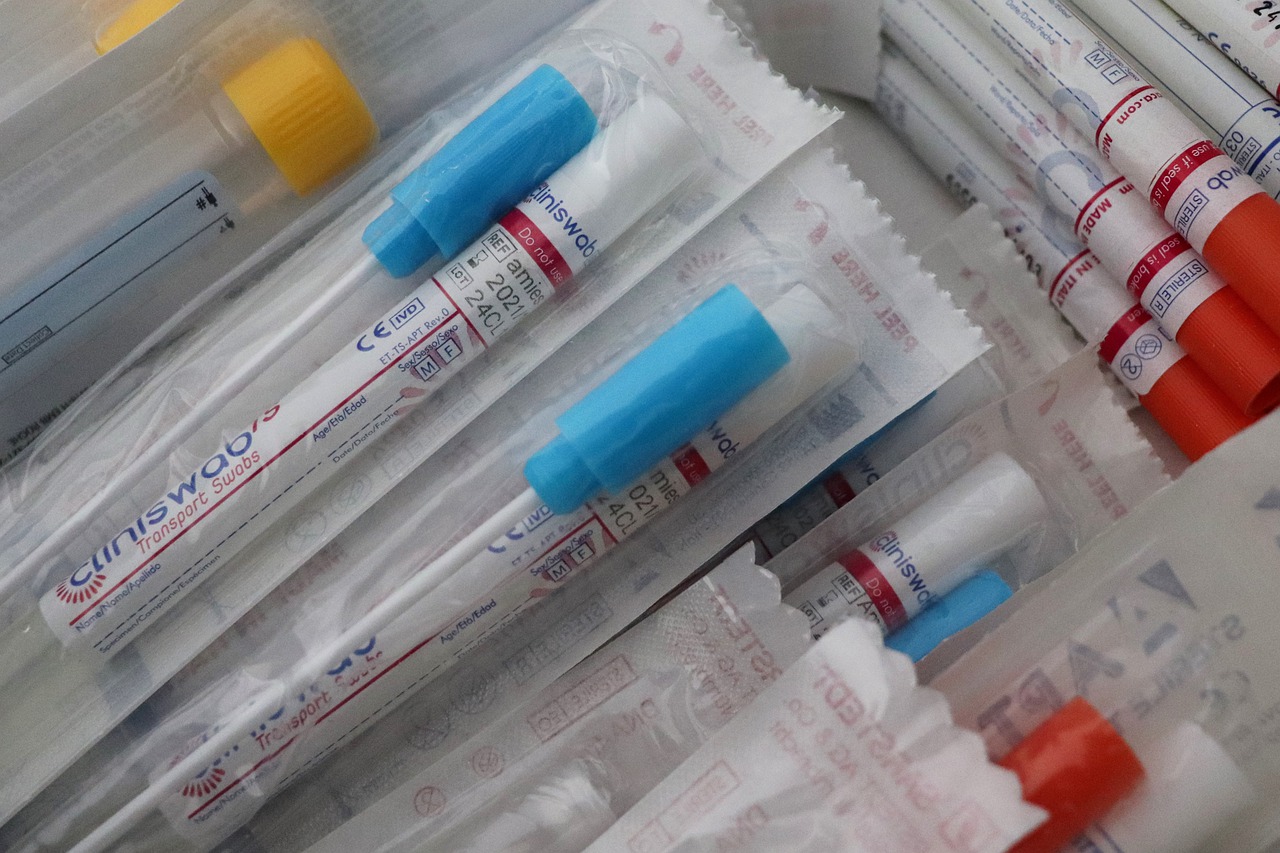
Blood sample: It is collected by venipuncture using a small needle inserted into a vein. The collection site is cleaned, blood is drawn into labelled tubes, and a small plaster is applied afterward.
Urine sample: All Paleo Profiles include urine testing along with blood tests. In addition to routine urine examination and microscopy, a Paleo Profile includes urinary microalbumin to assess kidney health.
Price and Reporting Time
Price of Paleo Profile Tests in India
Pricing varies by city, lab partner, and the included parameters. A Basic Paleo Profile can be around ₹2,500, while an Advanced Paleo Profile can range from ₹4,000 to ₹5,000.
How Long Does It Take to Get Paleo Profile Results?
Most Paleo Profile results are reported within 12 to 24 hours after sample collection in major cities. Samples collected from remote areas can require additional transportation time before testing and reporting.
Tests Included in a Paleo Profile
A Paleo Profile is commonly structured as a package of profiles (POP), meaning multiple panels are bundled together. An advanced Paleo Profile can include the following test profiles:
- Cardiac risk markers (5 to 7 parameters)
- Complete hemogram or CBC (24 to 30 parameters)
- Diabetes screening (3 to 8 parameters)
- Electrolytes
- Iron status
- Lipid profile
- Liver function tests (LFT)
- Kidney/renal function tests (KFT/RFT)
- Urine routine analysis
- Vitamins (Vitamin D and B12)
- Minerals (Calcium and Magnesium)
- Pancreatic enzymes (Amylase and Lipase)
- Thyroid screening (TSH)
Understanding Paleo Profile Results
Paleo Profile Result Interpretation
- Use your report’s reference range: Ranges vary by method, lab, age, and sometimes gender.
- Look for patterns, not a single value: Healthcare professionals interpret the results alongside clinical history, symptoms, medicines, and vital signs.
- Do not self-treat: “High” or “low” flags do not automatically mean disease; discuss next steps with a doctor.
- Repeat testing: Many test results change with hydration, infection, sleep, recent exercise, and timing of sample collection.
What if Results Are Abnormal?
Abnormal values can occur for several reasons and can be either temporary, such as dehydration or a recent illness, or clinically significant. The appropriate next step is to review results with your doctor, who may correlate them with symptoms, repeat certain tests, or advise specific follow-up tests.
References
FAQs on Paleo Profile
Who should choose a Paleo Profile?
A Paleo Profile is a special preventive full body checkup package designed for people who are planning to start a Paleo diet or are already following one. A basic or advanced Paleo Profile can help show how the diet is affecting your health and whether changes are required. People following a different diet plan can choose a package such as the Detox Diet Impact Full Body Checkup.
How is a Paleo Profile different from a routine full body checkup package?
A Paleo Profile differs from a routine full body checkup because it provides more extensive coverage of blood and urine tests, including diabetes and cardiac risk parameters.
Which routine full body checkup packages cover all the tests of a Paleo Profile?
Basic and standard health checkup packages do not include all the tests covered by a Paleo Profile. But advanced and comprehensive packages like Master Wellness Checkup and Aarogyam X by Thyrocare cover all tests of a Paleo Profile plus additional parameters.
Can a Paleo Profile substitute a routine full body checkup package?
Due to extensive coverage of blood and urine tests, a Paleo Profile can be a substitute for a routine preventive health checkup package.