


Thyrocare GeneMap · Personalized DNA Wellness Test
DNA-Based Gene Mapping Blood Test with NGS
Thyrocare’s GeneMap is an advanced DNA-based wellness test designed to decode an individual’s unique genetic blueprint and provide personalized insights for nutrition, vitamin metabolism, weight management, fitness potential, food response, disease susceptibility, behavioral tendencies, sleep patterns, and gender-specific health considerations. Using next-generation sequencing, the test translates key genetic findings into personalized guidance for diet, physical activity, preventive health, and long-term lifestyle planning.
At a glance
Thyrocare’s GeneMap Quick Information
Advanced DNA-based gene mapping and genomic wellness profile with 39 health traits.
A venous blood specimen is used for DNA extraction and analysis.
Advanced next-generation sequencing for DNA-based wellness analysis.
The personalized gene mapping DNA test report is generally available in around four weeks.
| Test name | Thyro GeneMap |
|---|---|
| Other names | DNA gene mapping test, DNA blood test, genomic DNA test, genetic wellness test, DNA health test, genetic predisposition test, nutrigenomics DNA test, nutrition and fitness DNA test, lifestyle DNA test, genomic wellness profile, and NGS DNA test. |
| Main purpose | To provide personalized genetic insights for nutrition, vitamin metabolism, weight management, fitness response, food sensitivity, antioxidant defense, disease susceptibility, sleep, behavior, and long-term preventive health planning. |
| Report coverage | A personalized wellness report covering 39 genetic health traits, including nutrition, metabolism, weight, fitness, food response, chronic disease susceptibility, behavioral tendencies, sleep, and gender-specific health insights. |
| Sample type | Blood sample. |
| Testing methodology | Next-generation sequencing (NGS). |
| Sequencing platform | Automated MGI G400 genetic sequencing platform. |
| Approximate report time | Around four weeks of sample collection |
| Offer Price | ₹11,999. |
| Discount Applied | ₹4,000 off on MRP ₹15,999. |
| Fasting | Fasting is not required for the DNA analysis. |
| Report type | A personalized genomic wellness report explaining genetic tendencies and practical health or lifestyle considerations. |
| Free home sample collection | Available in 5,000+ PIN code areas across 250+ cities in India. |
Tests and profile details
Genetic Traits Covered in the Thyro GeneMap DNA Test
Thyro GeneMap includes 39 genetic trait interpretations covering nutrition, vitamin and mineral metabolism, weight management, food response, antioxidant defense, cardiovascular and metabolic susceptibility, physical and behavioral traits, hormone metabolism, and fitness potential.
The personalized report presents the genes analyzed for each trait, the individual genotype, effect classification, an explanation of the finding, and helpful recommendations for diet, physical activity, health assessment, and lifestyle planning.
1. Nutrigenomics, dietary response, and macronutrient genetics
Nutrigenomics examines inherited differences related to the way the body responds to dietary fat, refined carbohydrates, appetite signals, insulin activity, energy balance, and fat mobilization. These findings help explain why people following a similar diet can experience different changes in body weight, hunger, glucose regulation, triglycerides, and overall metabolic health.
Thyro GeneMap assesses genetic tendencies associated with sensitivity to saturated fats and refined carbohydrates, the ability to lose weight and mobilize stored fat, lipid metabolism, and the relationship between fat mass and insulin sensitivity. Together, these traits provide a useful nutrigenomics framework for adjusting food quality, macronutrient distribution, portion structure, and weight-management priorities.
A useful interpretation connects the DNA findings with actual eating habits, body measurements, blood glucose, HbA1c, lipid values, liver health, activity level, sleep, and family history. For example, a genetic tendency related to refined-carbohydrate sensitivity becomes more meaningful when glucose or triglyceride values are also unfavorable. A fat-response tendency can guide greater attention to the quality and quantity of dietary fats.
Personalized nutrition remains strongest when it preserves adequate protein, fiber, essential fats, vitamins, minerals, hydration, and total energy while adapting meal timing, food choices, and macronutrient distribution to the person’s goals and present health measurements.
Genetic traits included:
2. Vitamin metabolism, methylation, choline, and homocysteine genetics
Vitamin-related genetic findings describe inherited differences that can affect how the body absorbs, transports, converts, recycles, uses, and regulates nutrients. Thyrocare’s GeneMap includes interpretations related to vitamin A, vitamin B12, vitamin D, vitamin B12 recycling, folate-dependent methylation, choline requirements, and homocysteine metabolism.
The genomic DNA test also examines how homocysteine is converted to cystathionine or recycled to methionine, along with genetic influences on homocysteine level, vitamin B12 recycling within the methylation cycle, and methylation and choline requirements. Folate, vitamins B6 and B12, methionine, and choline all contribute to these processes.
These findings can highlight nutrients and metabolic functions that deserve closer attention, especially when diet, medication use, pregnancy, aging, digestive health, family history, or existing laboratory findings point in the same direction. They can also help determine which vitamin and homocysteine blood tests deserve priority during a preventive health assessment.
The traits named Vitamin A Levels, Vitamin B12 Levels, and Vitamin D Levels describe inherited tendencies associated with the metabolism or circulating status of these vitamins. The current concentration of a vitamin is established through the appropriate blood test. Combining the stable genetic finding with present nutrient measurements provides a more complete basis for dietary planning and supplementation decisions.
Genetic traits included:
3. Iron deficiency and mineral metabolism genetics
Minerals participate in oxygen transport, energy production, muscle activity, nerve signaling, thyroid function, antioxidant enzymes, fluid balance, and hundreds of metabolic reactions. Genetic variation can influence the absorption, transport, regulation, and utilization of particular minerals.
The genetic analysis for iron examines inherited variation associated with iron regulation and the tendency toward reduced iron status. Iron is required for hemoglobin production, oxygen transport, energy metabolism, and several enzyme systems.
The genetic result can help identify people for whom dietary iron intake and periodic assessment deserve closer attention. Its significance increases when there is low dietary intake, menstrual blood loss, pregnancy, digestive disease, repeated blood donation, restricted eating, endurance training, or a previous history of anemia.
Present iron status is evaluated using appropriate measurements such as hemoglobin, serum ferritin, serum iron, total iron-binding capacity, and transferrin saturation. The DNA result provides a long-term inherited perspective, while these laboratory values show the person’s current iron stores and availability.
Genetic trait included:
4. BMI, obesity tendency, appetite, and weight-management genetics
Body weight is influenced by energy intake, physical activity, sleep, stress, hormones, medicines, age, environment, and genetics. Thyro GeneMap examines inherited tendencies related to body mass index, obesity susceptibility, appetite regulation, energy expenditure, fat storage, and the combined relationship between obesity and metabolic syndrome.
The Body Mass Index trait evaluates genetic variation associated with the tendency toward a higher or lower BMI. Risk of Obesity assesses inherited susceptibility to excessive weight gain, while Risk of Obesity and Metabolic Syndrome connects obesity tendency with metabolic changes involving waist circumference, glucose, lipids, and blood pressure.
These findings can help identify which weight-management strategies deserve greater consistency. One person can require stronger attention to appetite control and portion structure, while another can benefit from greater emphasis on daily movement, resistance training, sleep regularity, refined carbohydrate intake, or dietary-fat quality.
Objective monitoring remains essential for evaluating progress. Waist circumference, weight trend, body composition, blood pressure, glucose, HbA1c, lipid profile, liver markers, thyroid status when indicated, and physical activity records show whether a personalized plan is producing meaningful results. The DNA report can guide priorities, while repeated measurements document the response.
These inherited insights can add useful context to a DNA-based weight-management plan, particularly when combined with current weight, waist circumference, glucose, lipid, and body-composition measurements.
Genetic traits included:

5. Fitness DNA test: endurance, strength, power, and tissue-injury traits
Fitness genetics explores inherited differences associated with endurance, muscular strength, power-oriented performance, hand grip strength, and susceptibility to tissue injury. These traits provide additional context for planning cardiovascular training, resistance exercise, recovery, progression, and injury-prevention strategies.
The Endurance interpretation examines genetic tendencies related to sustained exercise capacity. Power/Strength provides insight into traits associated with forceful or high-intensity activity, while Hand Grip Strength reflects inherited associations with an objective measure of muscular strength. Tissue Injury addresses genetic variation linked with the body’s response to physical stress and injury susceptibility.
The report is most useful for adjusting emphasis within a balanced exercise program. A person with an endurance-oriented result still benefits from strength training, mobility, and recovery. A person with strength- or power-related traits also benefits from regular cardiovascular activity. Tissue-injury findings can encourage gradual progression, adequate recovery, suitable technique, and attention to training load.
Present fitness, training history, previous injuries, technique, nutrition, sleep, coaching, age, and consistency remain important. The genetic findings help refine a program rather than impose a fixed exercise identity. Progress can be monitored through strength, endurance, body composition, recovery, and performance measurements.
Genetic traits included:

6. Disease susceptibility: cardiovascular, lipid, inflammation, and diabetes traits
The disease-susceptibility group evaluates genetic variants associated with common cardiovascular and metabolic conditions. The report includes inherited tendencies related to chronic inflammation, coronary artery disease, HDL cholesterol, LDL cholesterol, triglycerides, type 2 diabetes, and diabetes complications.
Cardiovascular coverage includes Coronary Artery Disease, HDL-C Levels, LDL-C Levels, and Hypertriglyceridemia. These traits provide inherited context for cholesterol transport, triglyceride regulation, lipid balance, and susceptibility to coronary artery disease. Their practical value increases when considered with present lipid values, blood pressure, smoking history, body composition, glucose regulation, physical activity, and family history.
Metabolic coverage includes Risk of Type II Diabetes, Risk of Diabetes Complications, and a report trait titled Linked to Type-2 Diabetes and Cancer. These interpretations examine the specific genetic associations included in the profile and help identify areas where weight control, dietary quality, physical activity, glucose monitoring, and regular preventive assessment deserve priority.
Risk of Chronic Inflammation adds information about inherited inflammatory tendency. When this finding aligns with obesity, altered glucose, unfavorable lipids, smoking, inadequate sleep, or another health concern, it can strengthen the case for sustained preventive action.
Combining these genetic findings with blood pressure, glucose, HbA1c, lipid profile, liver function, kidney function, waist circumference, family history, and lifestyle information creates a more useful preventive-health picture than considering any single marker alone.
Genetic traits included:

7. Food sensitivity and dietary-response genetics
Food-response genetics examines inherited differences related to the metabolism or physiological response to particular food components. Thyro GeneMap includes four defined traits covering caffeine response, histamine-related hypersensitivity, lactose sensitivity, and salt sensitivity.
Caffeine Sensitivity provides insight into the strength of an individual’s genetically influenced response to caffeine. Relevant findings can help guide the amount and timing of coffee, tea, energy drinks, and other caffeine-containing products, particularly when caffeine affects sleep, anxiety, palpitations, or digestive comfort.
Hypersensitivity evaluates a histamine-related genetic marker and provides information about the body’s tendency to handle histamine. Lactose Sensitivity examines genetic variation associated with lactase persistence and the ability to digest lactose in adulthood. Salt Sensitivity assesses inherited variation related to the blood-pressure response to dietary sodium.
These findings can help a person observe whether symptoms, dietary habits, blood pressure, or other current measurements follow the reported tendency. They can also provide a more structured basis for adjusting caffeine, lactose-containing foods, histamine-rich foods, or sodium intake.
These findings provide personalized context for caffeine intake, lactose digestion, histamine response, and salt consumption, helping us make more informed dietary and lifestyle choices.
Genetic traits included:

8. Antioxidant defense and oxidative-stress genetics
Antioxidant defense refers to the biological systems that neutralize reactive molecules and maintain cellular balance. Genetic variation can influence antioxidant enzymes and the body’s inherited response to oxidative stress.
The Antioxidant Defenses interpretation examines inherited genetic differences that can influence the activity of important antioxidant enzymes. The report uses these findings to classify the individual effect and provide dietary, exercise, and lifestyle recommendations intended to maintain antioxidant balance.
This information can help guide attention toward dietary variety, vegetables, fruits, pulses, nuts, seeds, adequate protein, sleep, physical recovery, smoking exposure, pollution, glucose control, and other factors that influence oxidative balance. The finding becomes especially useful when combined with current lifestyle, metabolic health, and inflammatory status.
A food-first approach provides antioxidants together with fiber, vitamins, minerals, and other nutrients. The genetic result can also help determine whether diet quality, recovery, environmental exposure, or present biochemical measurements deserve closer review.
Genetic trait included:

9. Physical and behavioral genetic traits
The Physical and Behavioral Traits group examines inherited associations connected with substance-dependence tendencies, anxiety response, and a visible physiological trait involving earwax type and body odor. These findings provide personal context for habits, responses, and physical characteristics that can vary among individuals.
Alcohol Addiction and Nicotine Dependence assess genetic associations that can influence vulnerability to dependence. These findings can help a person recognize where prevention, behavioral support, environmental control, and sustained avoidance deserve greater attention.
Anxiety Response examines an inherited association with the way a person responds to anxiety-provoking situations. Used constructively, the finding can encourage greater attention to sleep, exercise, stress management, caffeine intake, structured routines, and appropriate professional support when needed.
Earwax Type and Body Odor is a physical-trait interpretation related to genetic variation influencing earwax characteristics and apocrine body odor. Although different from the health-risk traits, it illustrates how inherited DNA contributes to observable differences among individuals.
Behavioral traits develop through the interaction of genetics, upbringing, environment, experiences, relationships, and personal choices. The GeneMap findings add inherited context and can support greater self-awareness and practical habit planning.
Genetic traits included:

10. Circadian rhythm, appetite regulation, and sleep-timing genetics
The sleep-related interpretation included in Thyro GeneMap is Circadian Rhythm and Appetite Regulation. It examines genetic variation associated with the body’s internal timing system and its relationship with appetite, eating patterns, energy balance, and daily behavior.
Circadian rhythm influences sleep and wake timing, hormone secretion, alertness, meal timing, hunger, glucose regulation, and metabolic activity. An inherited circadian tendency can help explain why some people naturally feel alert earlier while others prefer a later schedule, and why irregular sleep or meal timing affects appetite more strongly in some individuals.
The result can be used to improve the consistency of sleep, waking, meals, daylight exposure, exercise, and caffeine timing. Aligning these habits more closely with the person’s daily schedule can help manage appetite, recovery, energy, and weight-management efforts.
Present sleep quality is also influenced by work schedules, stress, medicines, alcohol, body weight, physical activity, pain, room conditions, screen exposure, and caffeine use. Combining the genetic insight with actual sleep and eating patterns produces the most useful plan.
Genetic trait included:
11. Estrogen and xenobiotics metabolism genetics
The GeneMap DNA test includes genetic insight into estrogen and xenobiotic metabolism, covering inherited differences in the way the body processes hormones and certain external compounds.
Xenobiotics are substances originating outside the body, including environmental compounds, food-derived substances, medicines, and other chemical exposures. Enzymes involved in estrogen and xenobiotic metabolism help transform these substances so that they can be processed and eliminated.
Genetic differences in these pathways can provide useful context for hormonal wellness, dietary planning, environmental exposure, and preventive health discussions. The significance of the finding depends on the person’s age, sex, life stage, medication use, exposure history, symptoms, and present health measurements.
The result can encourage a closer review of dietary quality, smoking and alcohol exposure, unnecessary chemical exposure, medicine history, liver health, and relevant hormone or metabolic measurements.
Genetic trait included:
Report format
Thyro GeneMap Sample Report
Review the sample report to understand how genetic findings, trait categories, risk descriptions, and personalized recommendations are presented.
What the Thyro GeneMap Report Contains
The GeneMap report presents genetic tendencies, trait interpretations, explanatory notes, and personalized diet, fitness, and lifestyle recommendations. Your genomic DNA test report will include:
Why this test matters
Benefits & Significance of Thyrocare’s GeneMap DNA Wellness Test
The central value of GeneMap genomic DNA testing is its ability to organize inherited information into priorities for personalized nutrition, fitness, weight management, preventive monitoring, and sustainable lifestyle planning.
Thyro GeneMap is designed to decode part of an individual’s unique genetic blueprint and present it in a usable form. Most people already know that family history matters, yet family history is an incomplete measure. Relatives share genes, but they also share food habits, environment, social conditions, and patterns of healthcare. A DNA-based report adds direct information about the individual’s own inherited variants and can reveal tendencies that are not obvious from appearance or symptoms.
The test is significant because health advice is often delivered as a universal formula. Eat a fixed ratio of nutrients, perform the same exercise routine, sleep a standard number of hours, or follow a popular weight-loss plan. General recommendations remain important, but individual response differs. Genetics is one reason for that variation. A person’s report can indicate which areas deserve greater attention and which assumptions should be tested against real outcomes.
1. It creates a personalized starting point
A personalized plan needs more than preferences. It needs information that can explain why a person repeatedly struggles in a particular area or responds differently from peers. GeneMap can reveal inherited tendencies connected with appetite, satiety, weight gain, macronutrient response, exercise adaptation, recovery, sleep timing, and nutrition. These findings can shape the starting strategy.
For a person trying to reduce weight, the report can direct attention toward the combination of dietary structure, activity, resistance training, sleep, and monitoring that deserves the greatest consistency. For a fitness-focused person, the report can inform the balance among endurance, strength, recovery, and injury prevention. For someone concerned about nutrition, it can identify genetic tendencies related to vitamins or minerals that deserve dietary review or laboratory confirmation.
2. It separates inherited tendency from current condition
One of the most useful outcomes is a clearer distinction between predisposition and present disease. A conventional blood test answers “What is happening now?” A genomic susceptibility report contributes to “What inherited tendencies deserve attention over time?” Both questions matter.
A person can have a genetic tendency toward diabetes while current glucose and HbA1c remain normal. That result can strengthen preventive habits and encourage suitable monitoring. Another person can have an average genetic tendency but already have high glucose because lifestyle, medicines, age, body composition, or other factors have changed. The current abnormality requires action regardless of the genomic result. This distinction prevents false reassurance and unnecessary alarm.
3. It can improve preventive-health priorities
Preventive care becomes more effective when attention is directed toward the most relevant risks without ignoring standard screening. The disease-susceptibility part of GeneMap includes common chronic concerns such as diabetes, cardiovascular disease, obesity, inflammation, and metabolic disorders. A person can use those findings to decide which behaviors and measurements deserve regular review.
The report does not set medical screening intervals. Those depend on age, sex, symptoms, family history, existing diagnoses, and professional guidance. It can, however, make prevention more personally meaningful. A recommendation to maintain a healthy weight feels less generic when the report identifies obesity or metabolic susceptibility. Advice to protect cardiovascular health becomes more concrete when genetic and family-history signals align. The value comes from turning abstract prevention into a structured plan with measurable actions.
4. It adds context to nutrition and micronutrient decisions
Nutritional requirements are shaped by food intake and physiology, but inherited differences can influence nutrient metabolism. GeneMap can identify traits associated with vitamins, minerals, antioxidant defense, and dietary response. This can improve the order in which a person assesses diet, symptoms, and laboratory markers.
The report should reduce random supplementation rather than increase it. A highlighted pathway is a reason to examine food sources, medicines, digestive health, and relevant blood tests. It is not proof that a supplement is required. This distinction is important because nutrients have dose limits, interactions, and consequences when used excessively. Personalization means matching intervention to evidence, not taking more products.
5. It can make exercise planning more individual
Exercise guidelines apply to everyone, but the route to progress differs. A person’s inherited traits can influence relative strengths in endurance, power, muscle adaptation, recovery, and response to training load. A GeneMap fitness test can help choose emphasis while preserving a balanced program.
This can be valuable for beginners who need a realistic routine, regular exercisers who have reached a plateau, and people who repeatedly experience poor recovery under unsuitable training loads. The result can encourage gradual progression, sufficient rest, adequate nutrition, and a mix of cardiovascular, strength, mobility, and balance activity. It should never be used to force a person into an exercise type they dislike or to ignore symptoms and injuries.
6. It can improve awareness of food-response patterns
Food symptoms are often confusing. People can remove multiple foods after reading online lists, leading to an unnecessarily narrow diet. Genetic food-response findings can provide a structured clue, but the greatest value is responsible interpretation. The person can observe whether the reported tendency matches a consistent real-world pattern and seek the right clinical test when symptoms are significant.
This approach is more useful than assuming that every reaction is an allergy or intolerance. IgE-mediated allergy, enzyme deficiency, celiac disease, gastrointestinal disorders, and nonspecific symptoms require different assessments. GeneMap can guide attention; it cannot replace those diagnoses.
7. It can strengthen long-term adherence
People often abandon a health plan because it feels generic or because results are slow. Personal information can improve engagement. When the report explains why sleep, resistance training, fiber, weight control, antioxidant-rich foods, or periodic glucose monitoring deserves attention, the recommendation has a clear reason.
Adherence still depends on practicality. A plan must fit budget, culture, food access, employment schedule, family life, physical ability, and medical needs. Genetic information should simplify priorities, not create a complicated daily routine. The best recommendations are the ones that a person can maintain and measure.
8. It provides a one-time genetic reference for repeated health monitoring
The DNA profile generally needs to be performed once. The person can then use it as a reference during annual checkups, nutrition reviews, fitness planning, or discussions about family history. Current blood tests can be repeated at suitable intervals to track change in the areas highlighted by the report.
This pairing is powerful. The DNA report identifies stable predisposition. Routine tests show present condition. Lifestyle records show behavior. Body measurements show physical change. Together, they create a more complete picture than any one source alone.
9. It encourages proactive rather than reactive health planning
Many people seek testing only after symptoms become persistent. A wellness gene map can encourage earlier attention to modifiable factors, especially for common chronic conditions that develop over years. Proactive planning means maintaining healthy weight, staying active, protecting sleep, avoiding tobacco, choosing nutritious food, monitoring relevant biomarkers, and seeking assessment when risk factors emerge.
Proactive does not mean excessive testing or anxiety. It means knowing which areas deserve consistent attention and using objective evidence to judge progress. The report is most valuable when it leads to calm, measured decisions rather than fear.
10. It translates complex genomic information into usable language
Raw genetic data is difficult to interpret. A wellness report groups findings, explains tendencies, and gives context. This translation is important because a variant name without explanation can be misleading. The report should indicate the direction of the association, the trait involved, the practical relevance, and the interpretation boundary.
Best use of the report
Use the findings to prioritize modifiable habits, choose relevant follow-up measurements, and build a realistic plan that can be reviewed over time.
How to Use Gene Mapping DNA Test Insights
Avoid diagnosing disease, starting high-dose supplements, eliminating many foods, or making major medical decisions from a wellness tendency alone.
Who this test is for
Who Can Consider a DNA-Based Gene Mapping Test?
GeneMap (DNA-based genomic testing for hereditary health conditions) is suitable for people seeking a more personalized understanding of nutrition, weight, fitness, food response, preventive health, and long-term lifestyle planning.
Personalized Nutrition Planning
For people seeking diet guidance informed by inherited nutritional and metabolic tendencies.
Weight-Management Goals
For understanding genetic tendencies related to appetite, BMI, obesity, and fat metabolism.
Fitness and Exercise Planning
For insights into endurance, strength, exercise response, recovery, and injury tendency.
Preventive Health Planning
For people concerned about diabetes, cardiovascular health, inflammation, or metabolic risk.
Food and Lifestyle Responses
For understanding tendencies involving caffeine, lactose, salt, histamine, sleep, and behavior.
Long-Term Wellness Planning
For creating a stable genetic reference alongside changing health and fitness measurements.
Genomic wellness explained
What Is a DNA-Based Gene Mapping Blood Test?
A gene mapping wellness test examines inherited DNA variations and relates them to biological traits. The result is a personalized account of tendencies rather than a conventional blood value that rises or falls from one day to another.
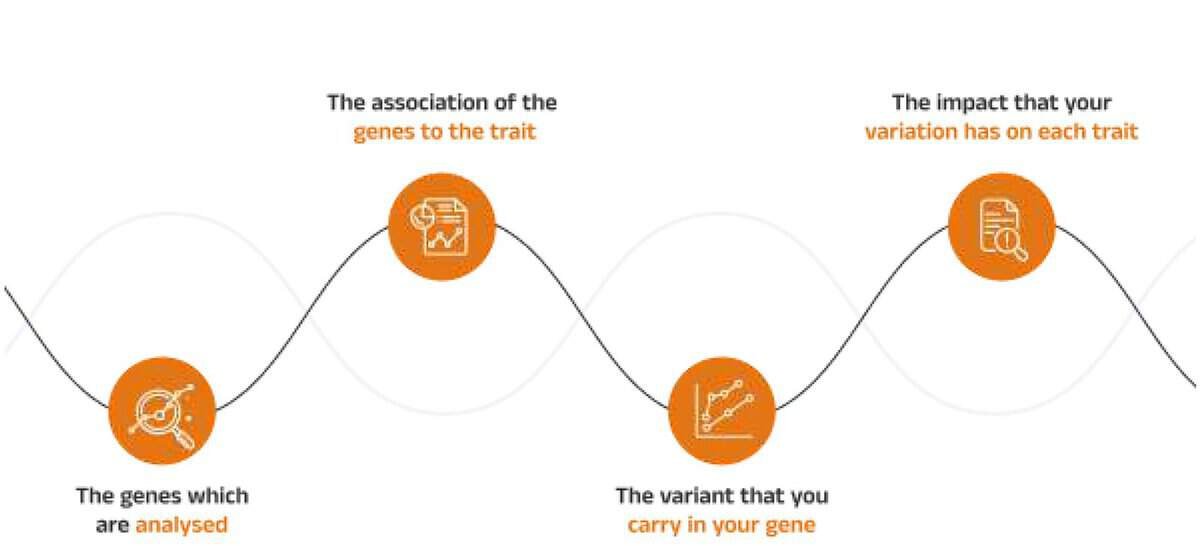
Every person inherits a unique combination of DNA from their biological parents. Most DNA is shared across people, yet small variations help explain part of the natural difference in nutrient handling, body composition, exercise adaptation, appetite, sleep timing, antioxidant defense, inflammatory response, and susceptibility to common health conditions. Thyrocare’s GeneMap studies relevant genetic markers and organizes the findings into wellness domains that are easier to understand than a raw sequence file.
The GeneMap test by Thyrocare refers to a DNA-based wellness profile that assesses genetic variants linked with health and lifestyle traits. It is not the same as a diagnostic single-gene test ordered for a suspected inherited disorder, a cancer mutation profile performed on tumor tissue, prenatal genetic testing, carrier screening for reproductive planning, or pharmacogenomic testing for medicine selection. Those tests answer different clinical questions and require their own validated scope, counseling, and interpretation.
Thyrocare’s GeneMap is designed for people who want a structured view of their inherited tendencies across several everyday health areas. The profile connects genetics with questions such as: Does the report indicate a tendency toward weight gain under certain dietary conditions? Are there inherited differences related to vitamin metabolism or mineral needs? Does the person have genetic traits associated with endurance, strength, recovery, or exercise response? Are there susceptibility signals linked with diabetes, cardiovascular disease, obesity, inflammation, or metabolic regulation? Does the report identify food-response, sleeping pattern, behavioral traits, or antioxidant defense that deserve attention?
These questions are useful because a universal diet, fitness schedule, or preventive plan rarely fits every person equally. Two people can follow the same exercise routine and show different changes in stamina, muscle response, recovery, body weight, or motivation. Two people can eat similar food while differing in satiety, caffeine response, fat or carbohydrate handling, micronutrient requirements, or sensitivity tendencies. Genetics does not explain every difference, but it adds a stable layer of information that remains relevant alongside present health measurements.
Conventional blood tests and genetic tests therefore answer different questions. A serum vitamin test measures the current amount of a nutrient or related marker in blood. A DNA wellness report examines inherited variants associated with the way the body can absorb, transport, convert, use, or regulate that nutrient. A lipid profile measures present cholesterol and triglyceride concentrations. A genetic susceptibility report identifies inherited tendencies that can influence lipid handling or cardiovascular risk. A glucose test or HbA1c assesses current glycemic status; genomic analysis examines part of the inherited tendency that contributes to metabolic risk. Neither approach replaces the other.
Thyro GeneMap uses next-generation sequencing (NGS). NGS enables simultaneous reading of many DNA regions rather than examining separate markers. The generated sequence data passes through quality review and bioinformatic interpretation. Relevant genetic variants are then translated into report categories and practical explanations. The reported result is therefore not simply a list of letters or variant codes; it is an interpreted wellness document designed to connect genetic findings with understandable health considerations.
The profile can also create a useful baseline for long-term planning because inherited DNA does not change with a short diet, a month of exercise, a season, or a temporary illness. The scientific interpretation of variants can develop as research improves, but the underlying genotype remains stable. This makes a DNA report fundamentally different from routine monitoring tests, which need repetition to measure change. The most sensible strategy is to perform the gene mapping test once and use repeat blood tests, body measurements, fitness records, sleep data, and clinical reviews to track the areas highlighted in the report.
Stable inherited information
The DNA result does not fluctuate with a recent meal, exercise session, stress episode, or short-term supplement course.
Multiple wellness domains
The report connects genetic markers with nutrition, metabolism, fitness, weight, food response, sleep, behavior, and susceptibility.
Practical interpretation
Complex sequence findings are organized into understandable tendencies and health-planning considerations.
Technology and laboratory process
How Next-Generation Sequencing Is Used in Thyrocare’s Gene Mapping Test
Thyro GeneMap uses next-generation sequencing to analyze multiple DNA regions efficiently and translate the findings into personalized nutrition, fitness, metabolism, and wellness insights.
Blood collection
A labeled blood sample is collected and transported under the required laboratory conditions.
DNA extraction
Genomic DNA is separated from blood cells and assessed for analytical suitability.
Library preparation
The DNA is prepared in a sequencing-ready form for the regions included in the assay.
NGS sequencing
The prepared material is sequenced on an automated MGI G400 platform.
Bioinformatic analysis
Sequence data is processed, quality checked, and matched with the profile’s reportable markers.
Interpretation and release
Findings are translated into wellness categories, explanations, and practical recommendations.
Why a blood sample is used
Blood contains nucleated white blood cells that provide genomic DNA. The inherited DNA sequence is essentially the same across most cells of the body, so a blood specimen provides suitable material for germline genetic analysis. The sample is used to obtain DNA rather than to measure the temporary concentration of glucose, cholesterol, vitamins, hormones, or another circulating analyte.
What next-generation sequencing means
Traditional genetic methods often examine one region or a small number of variants at a time. Next-generation sequencing can read many DNA fragments in parallel. This high-throughput approach produces a large volume of sequence information that can be processed through software and compared with the assay’s target regions and interpretation rules.
The strength of NGS lies in scale and efficiency, but technology alone does not determine the value of a wellness report. Quality control, marker selection, evidence review, bioinformatic processing, classification rules, and clear communication are equally important. A sophisticated sequencer can generate data; the report must still explain what the findings mean, what they do not mean, and how they relate to an individual’s health context.
Advanced & Fully Automated Sequencing Platform
Thyrocare’s gene mapping DNA sequencing uses a fully automated MGI G400 machine. The DNBSEQ-G400 family is a high-throughput genetic sequencing platform that accommodates different sequencing modes via its flow-cell system and integrated optical and biochemical processes.
The platform reads prepared DNA libraries and generates base-sequence data. Laboratory quality checks assess whether the sample and sequence output meet the requirements for analysis. When a specimen does not meet quality criteria, repeat preparation or repeat collection can be necessary. This is one reason that a stated reporting timeline is approximate rather than a guaranteed release time.
What bioinformatics contributes
NGS produces digital sequence data. Bioinformatics converts that data into meaningful variant calls by aligning reads, checking quality, identifying differences from a reference sequence, and filtering the findings according to the assay design. The relevant results are then associated with researched traits or susceptibility categories.
A wellness report generally depends on known associations between genetic variants and traits observed in research populations. The strength of evidence can differ across markers and populations. An association indicates that a variant occurred more often with a trait in studied groups; it does not prove that the variant alone causes that trait in every individual. Responsible interpretation therefore avoids deterministic language.
Why the result is personalized
People carry different combinations of variants. A single variant can have a small effect, while several variants can contribute to the same pathway. The final pattern across nutrition, metabolism, fitness, weight, susceptibility, sleep, and behavior creates the personal character of the report. The practical recommendation also depends on whether different findings point in the same direction.
For example, weight planning becomes more relevant when appetite, carbohydrate response, energy balance, and obesity tendencies align. Cardiovascular prevention becomes more important when inherited lipid or inflammatory tendencies appear alongside an unfavorable current lipid profile, high blood pressure, smoking, central obesity, or family history. The report gains meaning through integration rather than isolated reading.
Why the report can remain useful for years
The inherited genotype does not need routine retesting. A person can use the report as a stable reference while repeating conventional health measurements over time. Diet, exercise, weight, blood pressure, glucose, lipids, liver function, vitamin levels, and fitness can change; DNA predisposition remains a background factor.
Interpretation can still develop. Scientific databases expand, population evidence improves, and laboratories can revise the traits or algorithms included in a profile. The original sequence result can therefore be stable while the scientific meaning assigned to a variant becomes more detailed. The version and date on the issued report help identify the interpretation used at the time.
Frequently asked questions
FAQs About the Gene Mapping DNA Blood Test
What does Thyrocare’s GeneMap DNA blood test show?
Thyro GeneMap uses next-generation sequencing to examine genetic traits associated with hereditary health conditions, including nutrition, vitamin and mineral metabolism, weight tendency, fitness response, disease susceptibility, food sensitivity, antioxidant defense, behavioral traits, sleep patterns, and gender-specific health considerations. The test finds inherited tendencies and converts them into helpful, personalized, and actionable health planning.
It does not measure current health status or any suspected disease that requires conventional blood tests. The gene mapping DNA test contributes a stable genetic perspective that can be combined with current measurements and health history.
Is Thyro GeneMap a diagnostic genetic test?
No. It is a DNA-based wellness and susceptibility profile. It does not diagnose diabetes, cardiovascular disease, obesity, food allergy, vitamin deficiency, sleep disorder, infertility, or a rare inherited condition. A diagnostic genetic test is ordered to answer a specific clinical question and has a defined gene or variant scope.
Anyone with symptoms, an abnormal blood test, or a strong family pattern of inherited disease needs the appropriate clinical evaluation. The GeneMap blood test by Thyrocare can help organize preventive priorities, but it cannot replace diagnosis.
How is a gene mapping test different from a full body checkup?
A full body checkup measures current health indicators such as vital signs, blood counts, organ function, blood sugar, lipid levels, metabolic health, and nutritional status through laboratory tests.
GeneMap analyzes inherited DNA variants. The genetic result is stable and describes predisposition rather than current status. The two tests complement each other: genomic testing helps identify long-term tendencies, while a full body checkup shows whether relevant health changes are present now.
Why does this DNA test use a blood sample?
White blood cells contain genomic DNA that can be extracted for sequencing. The blood is not collected to measure a temporary concentration; it provides cellular material for inherited DNA analysis. Correct sample labeling, transport, DNA extraction, and quality checks are important because the final sequence data must be linked to the right person and meet the assay requirements.
A blood sample is a standard source for germline DNA testing. The issued laboratory report remains the authoritative record of the specimen and method used.
What is NGS in gene mapping for health traits?
NGS, or next-generation sequencing, is a high-throughput method that reads many DNA fragments in parallel. In GeneMap, it helps identify genetic variants associated with the wellness traits included in the profile.
Can a person’s GeneMap result change after diet or exercise?
The inherited DNA variants analyzed in a germline wellness test do not change after a diet, exercise program, supplement course, weight loss, or short-term illness. That stability is why the test generally needs to be performed once.
Health outcomes can change substantially. Blood glucose, cholesterol, weight, fitness, sleep, nutrient levels, and blood pressure respond to behavior, treatment, age, and environment. However, the genotype remains stable throughout life.
Can GeneMap predict whether I will develop diabetes or heart disease?
It can describe genetic susceptibility, not certainty. Diabetes and cardiovascular disease are influenced by many genes together with age, family history, weight, blood pressure, tobacco exposure, diet, activity, sleep, medicines, and present laboratory results. Some people with an increased genetic tendency never develop the condition, while some people with an average tendency do.
Use the result to strengthen prevention and monitoring. Current glucose, HbA1c, lipid profile, blood pressure, symptoms, and clinical history determine present risk and care.
Does a food-sensitivity genetic finding mean that I have a food allergy?
No. Genetic food-response reporting is not an IgE allergy diagnosis. It is also different from celiac-disease testing, lactose-intolerance assessment, an IgG-based food sensitivity, a breath test, or a supervised elimination and challenge process.
Do not remove many foods solely from a wellness tendency. Correlate the finding with a consistent symptom pattern and obtain the appropriate assessment. Hives, swelling, wheezing, throat tightness, faintness, or breathing difficulty after food requires urgent medical attention.
Can the GeneMap DNA test report help in creating a personalized diet plan?
Yes. The test result can help create a personalized diet plan by combining insights into vitamin and mineral metabolism, food response, antioxidant defense, and weight tendency. The strongest approach uses the genomic findings to prioritize dietary questions and builds a nutritionally adequate plan around the person’s current health status.
Can GeneMap tell me the best exercise for my body?
It can provide insight into tendencies related to endurance, strength, power, recovery, or exercise adaptation. It cannot determine a single perfect exercise or guarantee performance. Present fitness, age, health conditions, previous injuries, technique, training history, sleep, and consistency remain essential.
Use the fitness report to adjust emphasis within a balanced plan rather than excluding entire forms of activity. Medical symptoms or diagnosed conditions require appropriate exercise clearance and guidance.
Do I need to repeat the DNA gene mapping test every year?
Routine repetition is not required because inherited DNA variants remain stable. Keep the report as a long-term reference. Repeat routine preventive health checkup or condition-specific blood tests according to current health status, age, risk factors, symptoms, medical advice, and the areas highlighted in the report.
A laboratory test can update the profile version or interpretation as evidence develops. An updated analysis is different from repeating the test simply because time has passed. Check the laboratory’s current policy when a future reanalysis is offered.
Will siblings receive the same GeneMap report?
Not necessarily. Siblings inherit DNA from the same parents but receive different combinations of variants, except identical twins who usually share nearly the same inherited sequence. Siblings can therefore have overlapping tendencies and still receive different results across nutrition, fitness, weight, and susceptibility categories.
Shared family environment also affects health. One sibling’s report should not be assumed to represent another person. Each needs their own assessment when they want a personal result.
What should I do after receiving an unfavorable genetic result?
First, read the explanatory note and confirm whether the finding describes a small association, a combined tendency, or a stronger priority. Next, place it alongside family history, current habits, symptoms, body measurements, and relevant laboratory tests. Choose actions that are safe and measurable.
An unfavorable category is not a reason for panic. It often points toward familiar preventive steps: healthy weight, regular activity, nutritious food, adequate sleep, tobacco avoidance, blood-pressure control, and suitable screening. Seek professional interpretation when the result is complex, causes anxiety, or overlaps with an existing condition.
Should I start vitamins or antioxidants from the GeneMap result alone?
No. A genetic tendency connected with vitamin metabolism, mineral handling, or antioxidant defense does not prove deficiency and does not determine a safe dose. Review food intake, symptoms, medicines, medical conditions, and relevant laboratory measurements first.
Supplements can interact with medicines and can cause harm when doses are excessive or continued without review. Use the genomic result to identify what deserves assessment, then match any supplement to an established need.
Who needs professional help interpreting the report?
Professional review is valuable for anyone with an existing disease, a strong family history, significant symptoms, pregnancy, several medicines, a restrictive diet, eating-disorder history, or anxiety about the findings. A dietitian can help with nutrition, a qualified fitness professional can structure training, and a doctor can decide which conventional tests or clinical assessments are relevant.
A genetic counselor or clinical genetics service is appropriate when the concern involves inherited disease, reproductive risk, or implications for relatives.
Other health assessments
Other Tests for Nutrition, Metabolism and Preventive Health Checkups
Genetic predisposition becomes more useful when combined with current health assessments through relevant blood test profiles and panels, such as the following:
Medically reviewed by: Dr. M A Khan, MBBS, MD Pathology
Last updated: July 27, 2026
Nationwide doorstep service
Thyrocare GeneMap Home Sample Collection in 100 Major Indian Cities
Healthcare Offers provides free home blood sample collection for Thyrocare’s GeneMap in 250+ cities and 5,000+ PIN code areas across India. The current offer price is ₹11,999. The following are the major service locations in India
View Major Cities We Serve
- MumbaiMaharashtra
- DelhiDelhi
- Bengaluru (Bangalore)Karnataka
- HyderabadTelangana
- ChennaiTamil Nadu
- KolkataWest Bengal
- AhmedabadGujarat
- PuneMaharashtra
- SuratGujarat
- JaipurRajasthan
- LucknowUttar Pradesh
- KanpurUttar Pradesh
- NagpurMaharashtra
- IndoreMadhya Pradesh
- ThaneMaharashtra
- BhopalMadhya Pradesh
- VisakhapatnamAndhra Pradesh
- Pimpri-ChinchwadMaharashtra
- PatnaBihar
- Vadodara (Baroda)Gujarat
- GhaziabadUttar Pradesh
- LudhianaPunjab
- AgraUttar Pradesh
- NashikMaharashtra
- FaridabadHaryana
- MeerutUttar Pradesh
- RajkotGujarat
- Kalyan-DombivliMaharashtra
- Vasai-VirarMaharashtra
- VaranasiUttar Pradesh
- SrinagarJammu and Kashmir
- Chhatrapati Sambhajinagar (Aurangabad)Maharashtra
- DhanbadJharkhand
- AmritsarPunjab
- Navi MumbaiMaharashtra
- Prayagraj (Allahabad)Uttar Pradesh
- HowrahWest Bengal
- RanchiJharkhand
- JabalpurMadhya Pradesh
- GwaliorMadhya Pradesh
- CoimbatoreTamil Nadu
- VijayawadaAndhra Pradesh
- JodhpurRajasthan
- MaduraiTamil Nadu
- RaipurChhattisgarh
- KotaRajasthan
- ChandigarhChandigarh
- GuwahatiAssam
- SolapurMaharashtra
- Hubballi-DharwadKarnataka
- BareillyUttar Pradesh
- MoradabadUttar Pradesh
- Mysuru (Mysore)Karnataka
- Gurugram (Gurgaon)Haryana
- AligarhUttar Pradesh
- JalandharPunjab
- Tiruchirappalli (Trichy)Tamil Nadu
- BhubaneswarOdisha
- SalemTamil Nadu
- WarangalTelangana
- Mira-BhayandarMaharashtra
- ThiruvananthapuramKerala
- BhiwandiMaharashtra
- SaharanpurUttar Pradesh
- GorakhpurUttar Pradesh
- GunturAndhra Pradesh
- BikanerRajasthan
- AmravatiMaharashtra
- NoidaUttar Pradesh
- JamshedpurJharkhand
- BhilaiChhattisgarh
- CuttackOdisha
- FirozabadUttar Pradesh
- KochiKerala
- NelloreAndhra Pradesh
- BhavnagarGujarat
- DehradunUttarakhand
- DurgapurWest Bengal
- AsansolWest Bengal
- RourkelaOdisha
- NandedMaharashtra
- KolhapurMaharashtra
- AjmerRajasthan
- AkolaMaharashtra
- Kalaburagi (Gulbarga)Karnataka
- JamnagarGujarat
- UjjainMadhya Pradesh
- LoniUttar Pradesh
- SiliguriWest Bengal
- JhansiUttar Pradesh
- UlhasnagarMaharashtra
- JammuJammu and Kashmir
- SangliMaharashtra
- Mangaluru (Mangalore)Karnataka
- ErodeTamil Nadu
- Belagavi (Belgaum)Karnataka
- TirunelveliTamil Nadu
- MalegaonMaharashtra
- GayaBihar
- JalgaonMaharashtra