Introduction
Preventive health checkups are structured medical screenings designed to assess overall health and identify potential risk indicators before symptoms become clinically evident. Rather than waiting for illness to develop, preventive screening supports early evaluation, monitoring, and timely consultation with healthcare professionals.
Modern lifestyles, including sedentary work patterns, dietary imbalance, stress exposure, and environmental factors, can contribute to metabolic, cardiovascular, and endocrine risk profiles. Preventive testing allows individuals and clinicians to review measurable health parameters and make informed decisions based on objective laboratory data.
Medical Note:
This article is for educational purposes only. It does not replace professional medical advice, diagnosis, or treatment. Laboratory results should always be interpreted by a qualified healthcare provider in the context of medical history, symptoms, and clinical evaluation.
What Is a Preventive Health Checkup?
A preventive health checkup is a combination of laboratory tests and health markers grouped into panels. These panels assess organ function, metabolic balance, cardiovascular indicators, nutritional status, and hormonal parameters.
The goal is not to diagnose disease independently, but to:
- Screen for measurable risk indicators
- Support early clinical evaluation
- Monitor known health conditions
- Maintain structured health records over time
Who May Consider Preventive Screening?
Preventive health screening may be appropriate depending on age, family history, lifestyle patterns, and pre-existing conditions. Individuals who commonly discuss screening with healthcare professionals include:
- Adults over 30 years of age
- Individuals with family history of diabetes, thyroid disorders, cardiac disease, or cancer
- Men over 40
- Women in reproductive or postmenopausal phases
- Senior citizens
- Individuals with sedentary lifestyles or high stress exposure
- Couples planning pregnancy
The frequency and type of testing should always be guided by a healthcare professional.
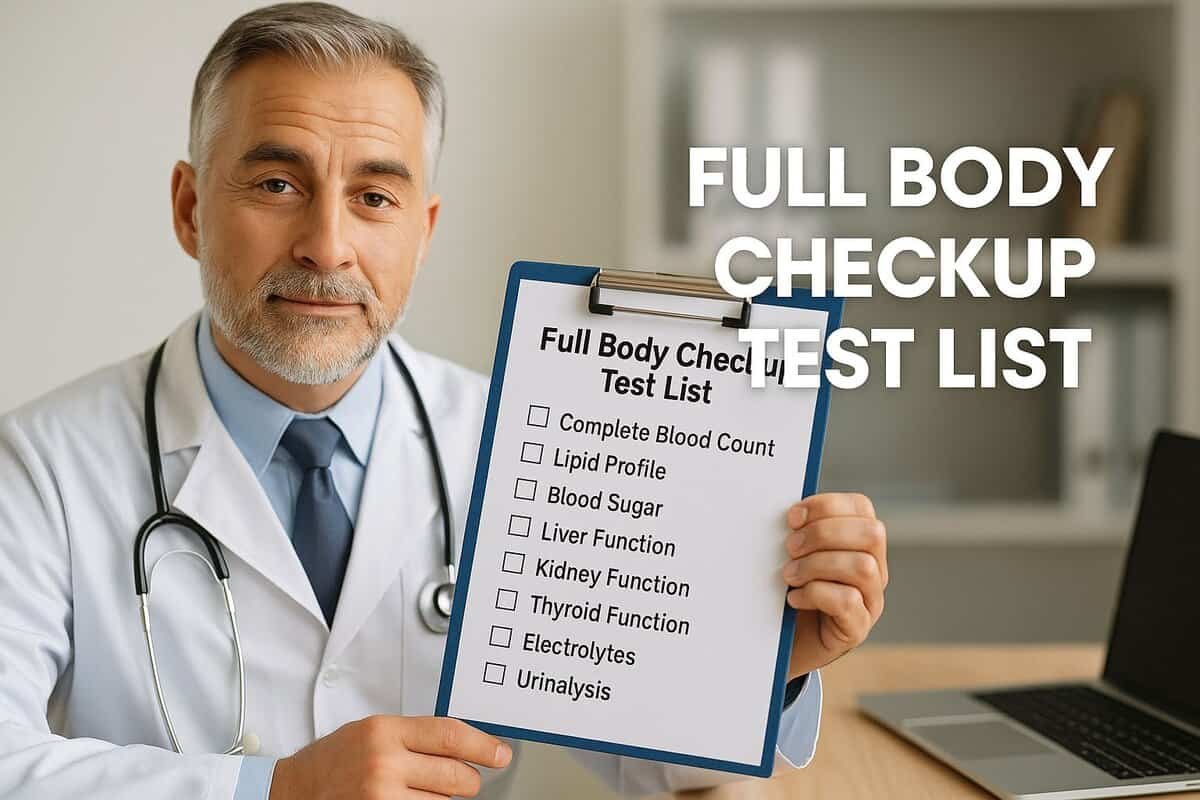
What Does a Comprehensive Full Body Checkup Include?
A preventive package may include a broad range of laboratory assessments:
Core Panels
- Complete Blood Count (CBC)
- Blood glucose markers (Fasting glucose, HbA1c)
- Lipid profile
- Liver function tests
- Kidney function tests
- Thyroid profile
Nutritional & Metabolic Panels
- Vitamin D, B12, Folate
- Iron studies
- Calcium and mineral markers
- Electrolytes
Cardiovascular Risk Indicators
- HS-CRP
- Lipoprotein (a)
- Apo A1 / Apo B
- Homocysteine
- LP-PLA2
Hormonal & Demographic-Specific Panels
- Female hormone profile (FSH, LH, PRL, AMH where applicable)
- Male hormone markers (Testosterone)
- Prostate or ovarian screening markers where clinically advised
Advanced Panels (Optional in Higher Packages)
- Advanced diabetic markers
- Kidney filtration markers (Cystatin C, ACR)
- Autoimmune markers
- Heavy metal and micronutrient panels
Cancer marker tests, when included, are screening tools and are not diagnostic by themselves. Abnormal findings require further medical evaluation.
Common Preventive Test Panels Explained
Complete Blood Count (CBC)
Evaluates red cells, white cells, and platelets. Helps screen for anemia, infection indicators, and immune response markers.
Lipid Profile
Measures cholesterol fractions and triglycerides to assess cardiovascular risk indicators.
Liver Function Test (LFT)
Reviews liver enzyme levels and protein markers.
Kidney Function Test (KFT)
Includes creatinine, urea, and eGFR to evaluate kidney filtration efficiency.
Thyroid Function Test
Typically includes TSH, T3, and T4 to assess thyroid hormone balance.
Diabetes Screening
Includes fasting glucose and HbA1c for blood sugar monitoring.
Vitamin and Mineral Panels
Assess micronutrient sufficiency which may influence energy metabolism and bone health.
Potential Benefits of Preventive Screening
Preventive health checkups may:
- Support early clinical evaluation
- Assist in monitoring ongoing treatment plans
- Provide measurable health benchmarks
- Help build long-term personal health records
- Guide lifestyle discussions with clinicians
They are not substitutes for medical diagnosis but serve as structured screening tools.
Demographic-Focused Preventive Packages
Some preventive packages are curated based on demographic considerations.
For Men
Panels may include:
- Testosterone markers
- Prostate-specific antigen (where clinically appropriate)
- Advanced cardiac risk indicators
- Metabolic and diabetic markers
For Women
Panels may include:
- Hormonal profile (FSH, LH, PRL)
- Thyroid markers
- Vitamin panels
- Fertility-related indicators (where applicable)
For Senior Citizens
Packages often emphasize:
- Bone health
- Cardiac markers
- Kidney and liver function
- Diabetic indicators
- Arthritis profiles
For Couples
1+1 packages provide identical screening panels for both individuals, allowing parallel evaluation.
Targeted Preventive Screening Panels
In addition to comprehensive packages, focused panels are available for specific monitoring needs.
Heart Risk Panels
May include lipid profile, HS-CRP, Apo A1, Apo B, and advanced cardiac markers.
Diabetic Monitoring Panels
May include HbA1c, fasting glucose, insulin markers, C-peptide, and urine ACR.
PCOS / Hormonal Panels
Include LH, FSH, AMH, SHBG, and related endocrine markers.
Thyroid Panels
Range from basic TSH screening to expanded autoimmune thyroid profiles.
STD/STI Screening
Includes panels covering viral and bacterial markers.
These panels are best interpreted under medical supervision.
How to Prepare for a Preventive Test
Preparation instructions vary by panel.
General guidelines may include:
- Fasting 8–12 hours if glucose or lipid markers are included
- Drinking water; avoiding coffee or alcohol before testing
- Continuing prescribed medication unless your healthcare provider advises temporary modification
- Wearing comfortable clothing for sample collection
Always confirm preparation instructions at the time of booking.
Reports and Interpretation
Preventive screening reports are typically delivered digitally within 24–48 hours after sample collection, depending on panel complexity.
Abnormal values do not automatically confirm disease. Laboratory variations may occur due to biological, technical, or temporary physiological factors. Results should be reviewed by a qualified healthcare professional.
Preventive Health Packages Available
HealthcareOffers.in provides a range of preventive health checkup packages powered by Thyrocare’s NABL-accredited diagnostic network. Packages vary in test count and focus areas, ranging from basic metabolic screening to advanced comprehensive panels.
Most packages include:
- Home sample collection
- Digital report delivery
- Nationwide service availability
Package selection should be based on individual health goals and clinical guidance.
Booking and Payment
Bookings can be made through HealthcareOffers.in via website or WhatsApp. Payments are typically collected securely during sample collection. Free home collection may be available based on order value and location.
Frequently Asked Questions
How often should preventive screening be done?
The frequency depends on age, medical history, and risk factors. A healthcare professional can recommend an appropriate interval.
Is fasting necessary?
Certain tests require fasting. Confirm instructions at the time of booking.
Can preventive checkups diagnose disease?
Preventive checkups are screening tools. They identify risk indicators and may guide further clinical evaluation if required.
Are the tests invasive?
Most preventive tests involve blood and urine samples and are minimally invasive.
How are reports delivered?
Reports are typically shared digitally for easy review and consultation.
Final Perspective
Preventive health checkups provide structured health data that can support informed discussions with healthcare professionals. When used appropriately, they contribute to long-term health planning and systematic monitoring.
Before choosing a package, consider discussing your health goals and risk profile with a qualified clinician to ensure the screening panel aligns with your individual needs.