Marriage is a wonderful step in our life journey that brings together two individuals and their hopes for a shared future. While emotional compatibility is vital for a strong relationship, it’s also important not to ignore health compatibility. That’s why a pre-marital health checkup can be so useful. It helps both partners understand their health status, take preventive measures, and enables them to plan their lives together! Before tying the knot, matching the Health Kundali is crucial.
What is a Premarital Health Checkup
A premarital health checkup or screening is a bundle of blood tests that assess the health status of the to-be-married couples to identify potential genetic and infectious diseases and health incompatibility that can affect their health and the health of their offspring.
These tests are screening tools and do not replace clinical diagnosis. Any abnormal findings should be interpreted by a qualified physician.
What Does a Premarital Screening Include
A typical pre-marital health screening package might include the following tests:
- Infectious and Transmissible Diseases: Typically the panel screens for HIV, Syphilis, and Hepatitis B and C Viruses. The names of the tests in this panel are HIV I and II, VDRL, AHCV, and HBsAg.
- Genetic Diseases: This panel screens for Thalassemia and Sickle Cell Disease. Tests in the panel are – Hemoglobin A2, C, D, F, and S. This profile is also known as Beta Thalassemia Screening, or Hemoglobin Electrophoresis, or Hemoglobin Variant Analysis, or HPLC.
- Iron Deficiency Study: The tests in this profile include Ferritin, Transferrin Saturation Percentage, Total Iron Binding Capacity (TIBC), Unsaturated Iron Binding Capacity (UIBC), and Serum Iron.
- Blood Grouping and Rh Typing: This test assesses the Rh Type compatibility of the partners.
- Nerve Health and Cell Function Screening: Screens for Vitamin B12 level and few other parameters.
- Thyroid and Diabetes Screening: This panel covers two tests, namely Thyroid Stimulating Hormone (TSH) and Hemoglobin A1c (HbA1c).
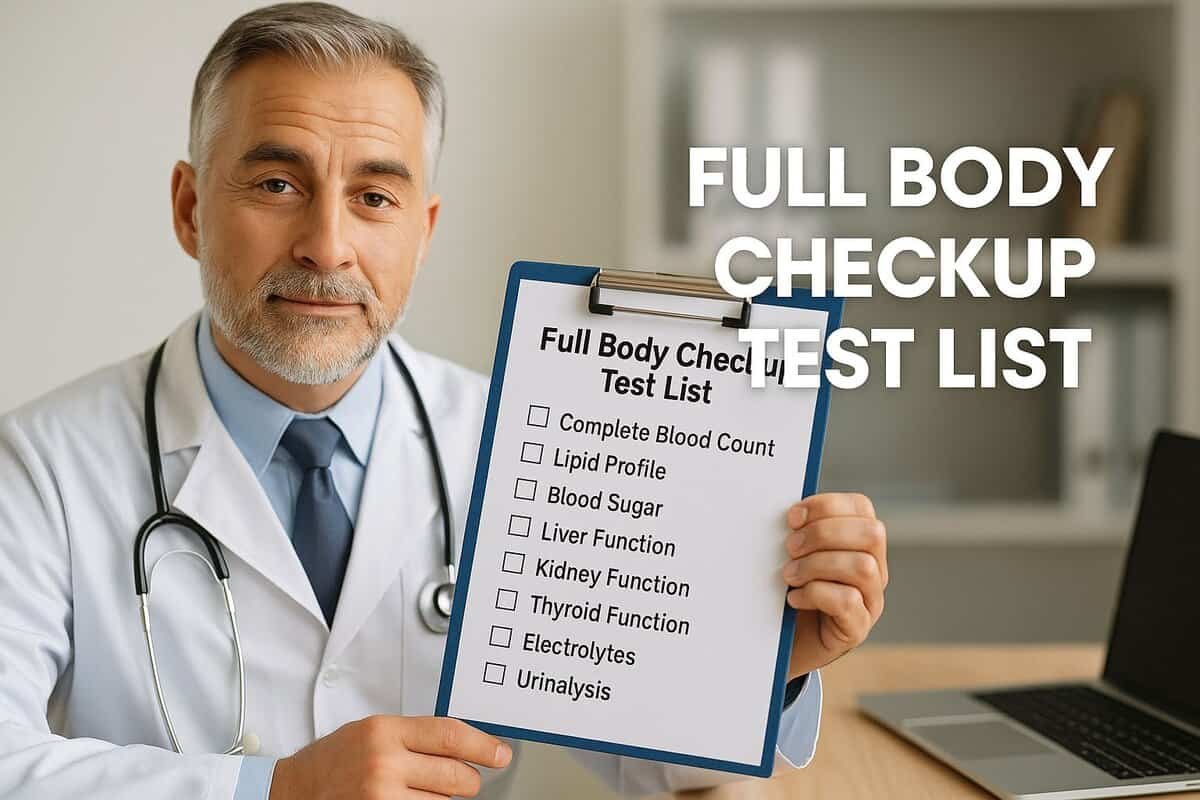
- General Health, Anemia, and Infection: Screens for hemoglobin, WBC, RBC, MCV, Monocytes, Lymphocytes, Mentzer Index, Platelet count, Blood Cell Distribution Width, and many other parameters. This panel is known as the Complete Hemogram Profile or Complete Blood Count (CBC).
Some Premarital Screening Packages include a few additional tests such as the reproductive hormones. However, the hormone panel is not common to all Premarital Profiles.
What is the Purpose of These Tests
A Pre-marital health checkup, primarily, aims at screening the health compatibility of the bride and bridegroom to help them prevent and take corrective measures toward a healthy sexual life, safe pregnancy, and bringing of healthy children. The significance of these tests are as follows:
- Infectious diseases like HIV, syphilis, and Hepatitis B and C can be transmitted from one partner to another partner, as well as to their children.
- Certain inherited blood disorders, such as thalassemia and sickle cell disease, may increase health risks for children if both partners are carriers. Genetic counseling is advised where screening indicates carrier status.
- In some cases, Rh incompatibility between partners may require medical monitoring during pregnancy. Modern obstetric care can effectively manage such situations.
- Anemia due to iron deficiency may create issues and healthy family life and complicacy during the pregnancy.
- Deficiency of vitamin B12 may affect the reproductive health of both the partners.
- Thyroid disorders and uncontrolled diabetes may influence fertility and pregnancy outcomes. Early identification supports better medical management.
- The Complete Hemogram Panel can identify and differentiate different types of anemia for further investigation.
Why Pre-Marital Health Checkups Matter
- Building a Healthy Foundation: Health is the primary foundation of a healthy and happy married life. Getting adequate insight into their health can help the to-be-wedded make informed decisions, preventive measures, and corrective action at the right time.
- Preventing Genetic Disorders: Genetic disorder screening is a crucial necessity before marriage. Hereditary diseases like thalassemia, sickle cell, or cystic fibrosis can be passed down to the next generation. In this case, proper medical advice before the marriage is very critical.
- Promoting Awareness of Infectious Diseases: Infectious diseases like HIV, hepatitis, syphilis, and other STIs/STDs can hamper a happy family life. They can be prevented and controlled if detected in an early stage. Timely screening for these diseases can help in making informed and right decisions.
- Ensuring Reproductive Health: Reproductive health is a primary concern of a marriage. Clinical evaluation and correlation of the tests in a Pre-wedding Health Checkup package give sufficient insight into the reproductive health of the to-be-wedded. The clinical information can help with proper measures, controls, and treatment.
- Encouraging Open Communication: Premarital health checkups can foster belief and faith among the partners. It further can encourage open discussion and communication among the partners. This can help in leading a happy and healthy family.
Benefits Beyond Marriage
A pre-marital health checkup has many other benefits beyond the wedding as follows:
- Awareness about Preventive Health Checkups: Regular preventive health checkup is a call of the time. Lifestyle-related health issues are growing. It’s difficult to ignore the importance of preventive care checkups. Routine full-body checkups can help take proper preventive and curative measures before a potential health disorder or disease grows. In this path of preventive health consciousness, a premarital health checkup is just a beginning.
- Build Confidence: It can happen that in a premarital health checkup report, you find everything normal. There’s nothing to worry about. This will strengthen your confidence level about your and your partner’s health.
- Common Objectives: Whether it’s a premarital or any other type of health checkup, the objectives are common – ensuring good health. Timely health checkups are always beneficial. They can help us in providing crucial information about our underlying health conditions.

Embracing the Practice
In India, people yet consider it taboo to discuss health issues before marriage. However, for a happy and healthy married life, it’s very crucial. I and you, the government, the community leaders, and the healthcare providers can ensure a new future for healthy families by promoting the significance of premarital health screening.
Final Thought about the Premarital Health Screening
A pre-marital health checkup is not only about identifying potential health risks; it is a crucial proactive step towards a fulfilling and harmonious married life. By taking responsibility for their health and well-being, couples can ensure that their journey together begins on a strong and informed decision. After all, love thrives when nurtured with care, trust, and mutual understanding – and good health is the perfect starting point.
For booking assistance or package comparison, contact our support team for guidance.
References
- https://www.researchgate.net/profile/Pratik-More-3/publication/355022381_A_Review_of_Importance_of_Premarital_Checkup_and_Counselling_among_Young_Adults/links/615822d9a6fae644fbbf61a3/A-Review-of-Importance-of-Premarital-Checkup-and-Counselling-among-Young-Adults.pdf
- https://pmc.ncbi.nlm.nih.gov/articles/PMC3464742/
- https://journals.sagepub.com/doi/full/10.1177/23779608221078156
FAQs on Premarital Health Checkups
What is a premarital health checkup?
A premarital health checkup is a structured laboratory screening conducted before marriage to assess potential infectious, genetic, and metabolic risk factors.
Why is a premarital health checkup important?
Premarital health checkups help:
- Detect any underlying medical conditions or infections early.
- Assess genetic risks for inheritable conditions in children.
- Provide a clear picture of each partner’s health, fostering transparency and trust.
- 4. Plan for a healthier future together.
What tests are usually included in a premarital health checkup?
Common tests include:
1. Tests for infectious diseases like sexually transmitted infections (STIs).
2. Genetic disorder screenings such as thalassemia.
3. Blood Group and Rh Type compatibility.
4. Screenings for chronic conditions like thyroid and diabetes.
5. Evaluation of reproductive health.
6. Anemia, infection, and general health that include iron and vitamin deficiency, hemogram study, and a few other tests.
Can a premarital health checkup prevent potential health issues?
Yes, it can. Early detection allows couples to manage or treat health conditions proactively. Additionally, clinical information on genetic risks can help couples make informed planning decisions.
Is a premarital health checkup mandatory?
While not mandatory in India, it is highly recommended as a responsible step before marriage. In some other countries, it might even be legally required.
Does undergoing a health checkup mean there’s a lack of trust between partners?
Not at all. A premarital health checkup fosters openness and ensures both partners are making informed decisions about their future. It reflects mutual care and responsibility.
Are the results of a premarital health checkup confidential?
Yes, all professional healthcare providers strictly follow confidentiality protocols. They only share the reports with the people tested unless otherwise ordered by a court of law.
What should couples do if a health issue is identified during the checkup?
If an issue is detected in a premarital health checkup, the to-be-wedded partners should consult a relevant healthcare advisor. This proactive approach can help them make proper decisions, preventive actions, and curative measures.
Is a premarital health checkup expensive?
No, a premarital health checkup is not expensive; it’s affordable. Although the cost varies depending on the lab and location, you can get it for less than ₹2,000 in India. Major healthcare providers offer the panel at as low as ₹1950. The prices at a few other labs might go up to ₹3,000.
Where can I get a Premarital Health Screening?
Premarital health screening panels are available through accredited diagnostic laboratories and healthcare platforms across India.
Disclaimer: This article is for informational purposes only and does not constitute medical advice. Clinical decisions should be made in consultation with a licensed healthcare professional.